
6 Common Mistakes New Drivers Make
Owning your first car is a big milestone. It brings freedom, independence, and a whole new set of responsibilities. At the same time, it’s completely normal for new drivers to make a few mistakes as they build confidence behind the wheel. From our experience working with cars and vans every day, many of these habits are ones we see repeatedly, and some can lead to unnecessary wear, safety issues, or avoidable repair costs if they’re not addressed early on.
Here are six of the most common mistakes new drivers make, and why it’s worth being aware of them.
1. Letting Distractions Take Over
One of the biggest challenges for new drivers is staying fully focused on the road. Mobile phones, sat navs, infotainment systems, and even passengers can all be distractions. A brief lapse in concentration is often enough to cause late braking, harsh steering, or missed hazards. Over time, this type of driving can also increase wear on brakes and tyres. Building the habit of minimising distractions early on helps improve reaction times and keeps driving smoother and safer.
2. Riding the Clutch
Clutch control takes time to master, particularly in stop-start traffic or on hills. Many new drivers rest their foot on the clutch without realising, which causes unnecessary friction. This leads to clutch wear and, in some cases, expensive repairs. Learning to fully engage or disengage the clutch, and using the handbrake properly when stationary, can significantly extend the life of these parts.
3. Hesitation at Junctions and Roundabouts
Hesitation is a very common issue, especially at T-junctions, busy roundabouts, or when pulling onto faster roads. While caution is important, waiting too long or second-guessing decisions can confuse other drivers and increase the risk of accidents. Good observation, clear decision-making, and confidence built through experience all help reduce hesitation. It’s about waiting for the right gap – not rushing but not being too cautious either.
4. Not Using Indicators Clearly or Early Enough
Indicators are one of the simplest but most important communication tools on the road. New drivers sometimes signal too late, cancel signals too early, or don’t fully engage the indicator stalk. This can cause uncertainty for other road users and lead to sudden braking or last-second manoeuvres. Using indicators clearly and in good time helps traffic flow smoothly and reduces the likelihood of near misses!
5. Driving Too Slowly!
Many new drivers understandably err on the side of caution and drive well below the speed limit, even when conditions are good. While speeding is dangerous, driving significantly slower than the flow of traffic can also create problems. Inconsistent speeds make it harder for others to anticipate your movements and can lead to frustration or risky overtaking. Learning to match road conditions and drive smoothly and predictably is far more important than simply being slow.
6. Ignoring Early Warning Signs from the Vehicle
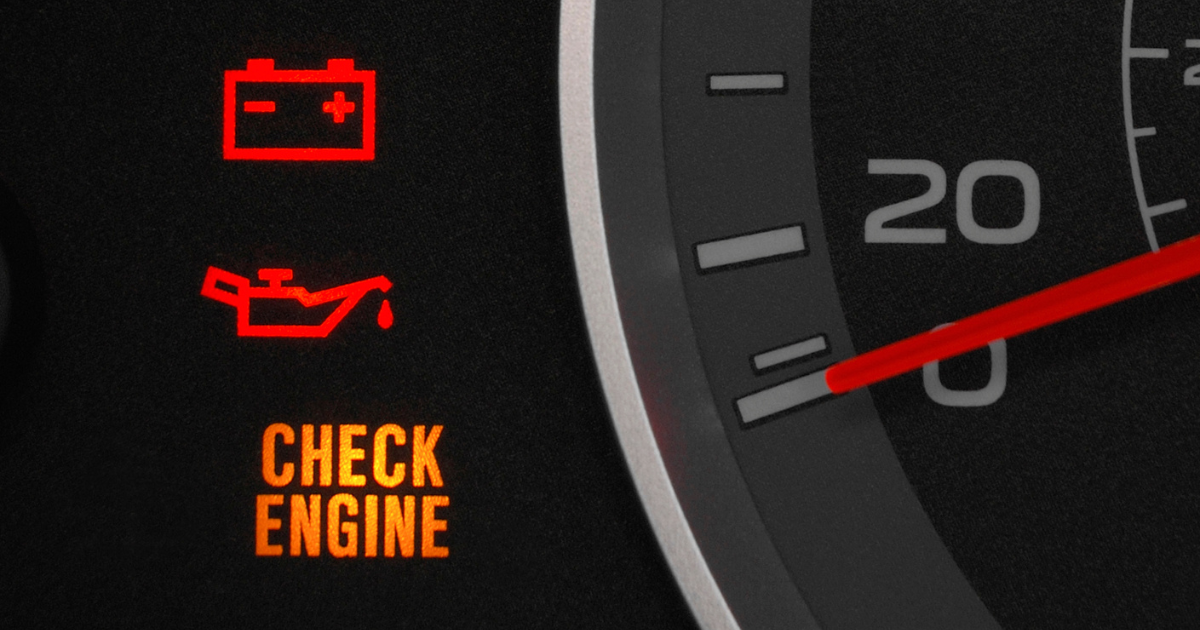
Unfamiliar sounds, warning lights, or changes in how a car feels are often overlooked by new drivers. It’s easy to assume a noise is “normal” or that a dashboard light can wait. In reality, these early signs are often the vehicle’s way of flagging a small issue before it becomes a bigger one. Addressing problems early usually means simpler fixes and lower costs, which is why regular checks and servicing are so important.
Final Thoughts
Every driver makes mistakes when they’re starting out, it’s part of the learning process. The key is recognising habits early and making small adjustments that improve safety, confidence, and long-term vehicle reliability. Looking after your car or van with regular servicing and paying attention to how it behaves can make a real difference. Building good driving habits now doesn’t just help you pass your test in the first place; it also helps keep you safer on the roads for years to come.
If you’ve just passed your test and gained your passport to freedom, it’s important to know some key dates in relation to maintaining your car. Check when your MOT date is, and when your car is due a service. Put these in your diary and remember to book these in advance. It’s often easier to combine an MOT and service into one appointment. You can get in touch with us to get booked in by using our online form or calling us on 01756 792911.


© Peter Watson Garage - 2026
