
A Quickfire Guide to Towing a Caravan
Now summer has finally arrived, many drivers across Skipton and the surrounding areas are preparing for a well-earned break – and for some, that means heading off with a caravan in tow. Whether you’re new to towing or simply need a refresher, it’s essential to make sure you’re confident, legal, and fully prepared before setting off. As trusted mechanics in Skipton, we’ve put together this quickfire guide to help you understand the key points of towing a caravan safely and legally this summer.
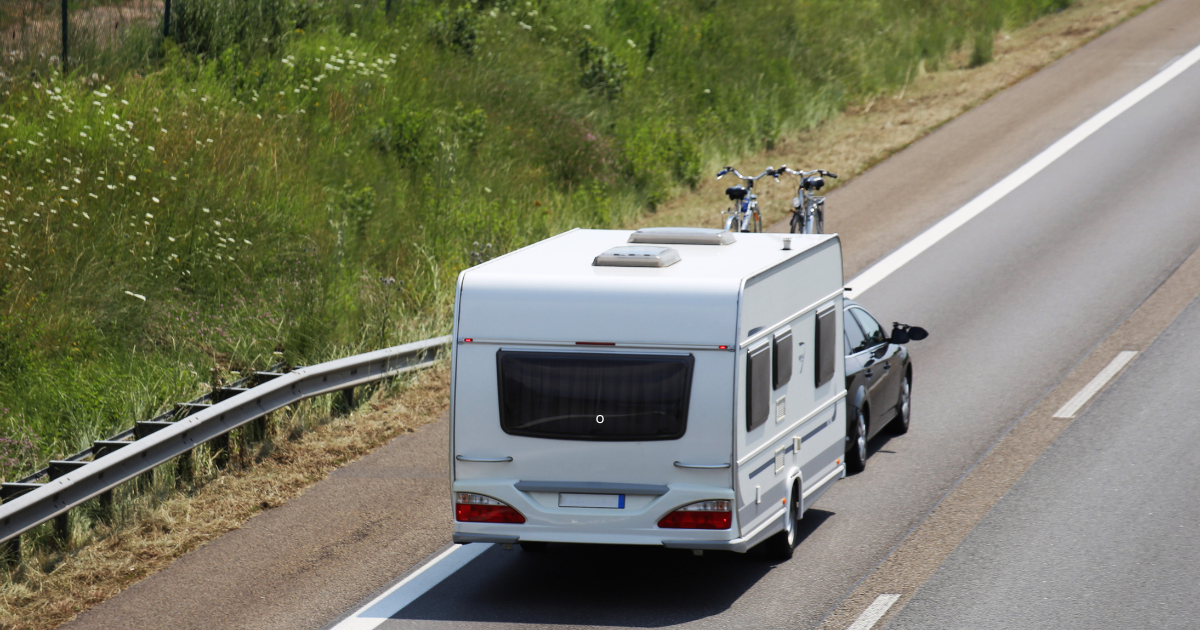
Can Your Car Tow a Caravan?
Before you hitch up and head out, you need to be certain your vehicle is capable of towing the caravan you’ve got in mind. Every vehicle has a maximum towing capacity – usually found in the owner’s manual, on the VIN plate or inside the driver’s door. One crucial figure to look for is the Maximum Technically Permissible Laden Mass (MTPLM) of your caravan, which must fall within your vehicle’s towing limits. A commonly recommended guide, particularly for those new to towing, is the “85% rule” – this suggests the caravan’s laden weight shouldn’t exceed 85% of your car’s kerb weight. This isn’t a legal requirement, but it’s a good safety benchmark to aim for.
What Are You Allowed to Tow?
Your driving licence plays a key role in what you’re legally allowed to tow. If you passed your test before 1 January 1997, you’re likely entitled to tow a combined vehicle and trailer weight of up to 8,250kg. For those who passed after that date, rules changed in 2021 – the good news is that all standard full UK car licences now allow you to tow a trailer or caravan up to 3,500kg maximum authorised mass (MAM) without needing an additional B+E entitlement. While the rules have been relaxed in recent years, it’s still your responsibility to ensure the vehicle and caravan combination you’re using is within legal limits and safe to operate. If you’re unsure, it’s always best to seek advice – and as a local garage in Skipton, we’re happy to help check the figures with you.
Essential Equipment for Safe Towing
Equipping your car properly is just as important as understanding the weight limits. Firstly, you must use a type-approved tow bar that’s suitable for your specific make and model – this is a legal requirement unless your vehicle was first registered before 1998. Towing mirrors are also essential if your caravan is wider than your car. You need to have a clear view of the road behind you at all times, and it’s a legal obligation to fit mirrors that give you this view. Don’t forget the breakaway cable – this is a safety device that applies the caravan’s brakes if it becomes detached from your vehicle. Lastly, your caravan must display a rear number plate matching your car, and its lights must all be fully functional.
Speed Limits and Legal Requirements
When towing a caravan, different speed limits apply. You must not exceed 50mph on single carriageways or 60mph on dual carriageways and motorways – and remember, you’re not allowed in the outside lane of a three-lane motorway. There are also legal limits on the size of what you can tow. The maximum width for a caravan is 2.55 metres, and the total length of the vehicle and caravan combination must not exceed 18.75 metres. It’s also illegal to carry passengers in a moving caravan, so make sure everyone is safely seated in the towing vehicle before you set off.
Top Tips for Smooth and Safe Towing
Towing a caravan requires extra care and attention. Follow these essential tips to stay safe on the road:
1. Carry out a full pre-journey check, including:
- Tyre pressure and tread depth (on both car and caravan)
- All external lights are working correctly
- Breakaway cable securely attached
- Tow coupling properly connected
2. Load your caravan carefully:
- Place heavier items low down and close to the axle
- Ensure weight is evenly distributed to prevent instability
3. Drive with extra caution:
- Take corners wider than usual
- Brake earlier and more gently
- Allow greater stopping distance and space between vehicles
- Avoid sudden steering movements
4. Practise reversing – if you’re not confident or haven’t towed the caravan in a while, practise in a quiet location before your trip.
Don’t Forget Your Servicing
Towing puts extra strain on your car – particularly the engine, brakes, tyres, and suspension. That’s why it’s important to make sure your vehicle is in top condition before setting off on any long journey. A full service or pre-tow check will give you peace of mind and could prevent a breakdown from disrupting your holiday. At Peter Watson Garage, we’re proud to be a trusted choice for car servicing and MOTs in Skipton. Our experienced mechanics can carry out all the essential checks to make sure your car is roadworthy and ready to tow. From checking brake wear to inspecting tow bars and tyres, we’ve got you covered. Whether you’re planning a weekend away or a full summer holiday, taking the time to understand the basics of towing a caravan will help you travel safely and legally. If you need any help preparing your vehicle, don’t hesitate to contact Peter Watson Garage today by using our online form or calling us on 01756 792911.


© Peter Watson Garage - 2026
